
In today’s dynamic landscape, where technology intertwines with every aspect of our lives, the food industry stands at the forefront of innovation. With the pressing issue of food waste looming large, a beacon of hope emerges in the form of Augmented Reality (AR). Augmented Reality, often abbreviated as AR, has transcended its entertainment roots to offer practical solutions in various domains, including the culinary world. This article explores how Augmented Reality is revolutionizing the food industry, particularly in the battle against food waste.

Augmented Reality: A Game-Changer
Augmented Reality, a technology that overlays digital information onto the real world, is increasingly finding its place in the food industry. Its practical applications extend beyond mere entertainment to address pressing challenges such as food waste reduction. Realifood AR Solutions, among other innovators, are spearheading this revolution by leveraging Augmented Reality to combat food waste at every stage of the supply chain.
Addressing Food Waste at its Roots
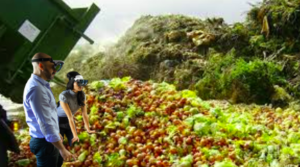
Food waste is a global epidemic, with approximately one-third of all food produced worldwide going to waste. This staggering statistic not only represents a moral failure but also exacerbates environmental degradation and economic inefficiency. Augmented Reality presents a ray of hope in this dire scenario by offering tangible solutions for food waste reduction.
Innovation in Food Waste Reduction
One of the key ways Augmented Reality is combating food waste is by empowering consumers to make informed choices. Imagine strolling through the aisles of a grocery store, and with a simple scan of a product using your smartphone, you can access real-time information about its expiration date, nutritional value, and optimal storage conditions. This practical application of Augmented Reality not only reduces the likelihood of food spoilage but also encourages consumers to prioritize sustainability in their purchasing decisions.
Augmented Reality in the Food Supply Chain
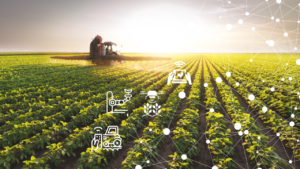
Furthermore, Augmented Reality is revolutionizing the food supply chain by enhancing efficiency and reducing waste at every stage. From farm to fork, Augmented Reality technology provides invaluable insights and optimization opportunities. Farmers equipped with AR-powered devices can visualize crop health, identify potential areas of improvement, and streamline harvesting processes, thus minimizing losses due to spoilage or overproduction.
Practical Applications of Augmented Reality
In addition to consumer-facing applications, Augmented Reality is empowering food companies to streamline their operations and minimize waste. By overlaying digital information onto physical environments, Augmented Reality enables workers in warehouses and distribution centers to navigate complex inventory systems with unprecedented ease and accuracy. This not only reduces the likelihood of misplaced or expired inventory but also optimizes logistical processes, ultimately leading to significant cost savings and waste reduction.

Augmented Reality: Paving the Way to Food Sustainability
The marriage of Augmented Reality and food sustainability is not merely theoretical; it is a tangible reality with far-reaching implications. By harnessing the power of Augmented Reality, stakeholders across the food industry can work together to create a more sustainable and equitable food system. Whether it’s reducing food waste, optimizing supply chains, or empowering consumers to make informed choices, Augmented Reality holds the key to a brighter, more sustainable future for food.
In conclusion, Augmented Reality is not just a futuristic concept; it is a powerful tool that is revolutionizing the food industry from within. By combating food waste through innovative applications and practical solutions, Augmented Reality is paving the way for a more sustainable and efficient food system. As we continue to harness the potential of this transformative technology, the possibilities for reducing food waste and promoting food sustainability are endless.
Innovation in food waste reduction, Augmented reality and food supply chain, Augmented reality for food companies, Augmented reality and food sustainability, Food waste reduction strategies.