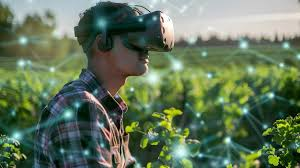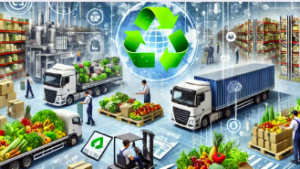
Innovation is the cornerstone of progress, especially when it comes to addressing global challenges like food waste. Augmented Reality (AR) emerges as a disruptive force in this realm, offering practical solutions to mitigate food wastage throughout the supply chain. Realifood AR Solutions, among other innovators, are pioneering the integration of AR technology into the food industry, revolutionizing how we perceive, manage, and reduce food waste.
Augmented Reality is not just a buzzword; it’s a transformative tool reshaping various industries, including food production and consumption. At its core, AR overlays digital information onto the physical world, providing users with immersive experiences. In the context of food waste reduction, AR offers a myriad of practical applications that streamline processes, enhance efficiency, and promote sustainability.

One of the key areas where AR demonstrates its potential is in optimizing inventory management. Food companies face significant challenges in tracking and managing their inventory effectively, often leading to overstocking or underutilization of resources. By leveraging AR technology, businesses can visualize their inventory in real-time, enabling them to make informed decisions regarding procurement, storage, and distribution. This not only reduces the risk of excess inventory but also minimizes the likelihood of food spoilage, thus contributing to food waste reduction efforts.
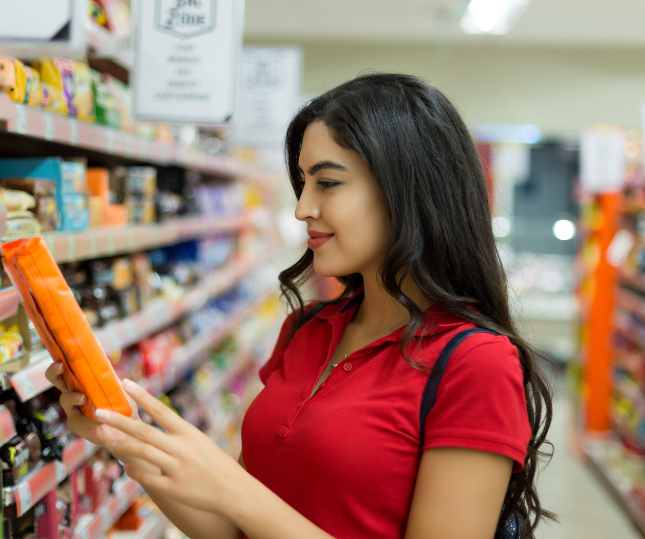
Moreover, AR enhances the consumer experience by providing valuable information about product freshness, nutritional content, and expiration dates. Imagine walking through a grocery store and using your smartphone to scan products. With AR, you can instantly access detailed information about each item, including its origin, ingredients, and sustainability credentials. This empowers consumers to make more informed purchasing decisions, thereby reducing the likelihood of food waste at the household level.
In addition to inventory management and consumer engagement, AR offers innovative solutions for food recovery and redistribution. Surplus food is a significant contributor to food waste, with millions of tons being discarded each year due to logistical challenges and inefficiencies. Augmented Reality can facilitate the identification and collection of surplus food by connecting food producers, retailers, and charitable organizations in real-time. By streamlining the redistribution process, AR enables food to be redirected to those in need, thereby minimizing waste and addressing food insecurity simultaneously.
Furthermore, AR has the potential to revolutionize food packaging and labeling, further contributing to food waste reduction efforts. Traditional packaging often lacks transparency and clarity, leading to confusion among consumers regarding product freshness and shelf life. With AR-enabled packaging, consumers can access interactive features that provide detailed information about the product’s lifecycle, storage recommendations, and disposal instructions. This not only enhances consumer trust but also empowers individuals to minimize food waste by optimizing their consumption patterns.
Augmented Reality is not without its challenges and limitations. Implementation costs, technological barriers, and user adoption remain significant hurdles that need to be addressed. However, with continued innovation and collaboration, the potential benefits of AR in combating food waste far outweigh the challenges.
In conclusion, Augmented Reality holds immense promise as a practical and innovative solution for reducing food waste across the entire supply chain. By leveraging AR technology, food companies can optimize inventory management, enhance consumer engagement, facilitate food recovery, and revolutionize packaging and labeling practices. Realifood AR Solutions, along with other industry pioneers, are leading the charge towards a more sustainable and efficient food system. As we continue to explore the practical applications of augmented reality, we move closer to realizing a future where food waste is minimized, and food sustainability is prioritized.