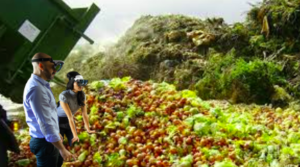
In recent years, the convergence of innovation and sustainability has become a crucial focus for industries worldwide. One of the most promising developments in this arena is the application of Augmented Reality (AR) technology. AR is not only transforming entertainment and retail but is also emerging as a powerful tool in tackling food waste. This article explores the role of Augmented Reality in reducing food waste, highlighting practical applications, innovative solutions, and the potential benefits for the food industry.
The Challenge of Food Waste
Food waste is a significant global issue, with approximately one-third of all food produced for human consumption lost or wasted annually. This problem has profound economic, environmental, and social implications. Reducing food waste is crucial for achieving sustainability goals, and innovative technologies like Augmented Reality offer promising solutions.

Augmented Reality Technology and Its Potential
Augmented Reality (AR) technology superimposes digital information onto the physical world, enhancing the user’s perception and interaction with their environment. This technology has already made strides in various sectors, and its potential for food waste reduction is now gaining attention. By providing real-time information, interactive experiences, and enhanced visibility, AR can play a pivotal role in reducing food waste at multiple stages of the supply chain.
Practical Applications of Augmented Reality in Food Waste Reduction
1. Consumer Education and Engagement
One of the primary ways AR can help reduce food waste is by educating consumers. AR applications can provide detailed information about food products, including expiration dates, storage tips, and recipes to use leftovers. For instance, scanning a product with an AR app could reveal its nutritional value, optimal storage conditions, and creative recipe ideas, encouraging consumers to utilize food more efficiently and reduce waste.
2. Inventory Management for Retailers
Retailers face challenges in managing inventory effectively to minimize waste. AR solutions can assist by offering real-time data on stock levels, expiration dates, and optimal storage practices. By integrating AR into inventory management systems, retailers can better predict demand, manage stock rotation, and reduce the likelihood of food products expiring on shelves.
3. Enhanced Supply Chain Transparency
AR can also enhance transparency in the food supply chain. By providing real-time tracking and visualization of food products from farm to table, AR technology ensures that stakeholders are aware of the product’s journey and condition. This transparency helps in identifying potential points of waste and implementing targeted interventions to reduce losses.
4. Training and Support for Food Industry Workers
Training employees in the food industry on best practices for handling and storing food can be challenging. AR can offer interactive training modules that simulate real-life scenarios, allowing workers to learn and practice skills in a controlled environment. This hands-on approach improves retention and application of knowledge, leading to better food handling and reduced waste.
5. Consumer Buying Decisions
AR applications can also influence consumer buying decisions by providing information about the sustainability practices of food brands. For example, an AR app could display a brand’s commitment to reducing food waste or its efforts in sustainable sourcing when a consumer scans the product. This information can guide consumers towards more sustainable choices, indirectly contributing to waste reduction.
Case Study: Realifood AR Solutions
Realifood AR Solutions is a pioneer in leveraging Augmented Reality to tackle food waste. Their innovative applications provide consumers with real-time information about food products, helping them make informed decisions and reduce waste. By integrating AR into their marketing and educational efforts, Realifood has demonstrated the significant potential of this technology in promoting food sustainability.

The Future of Augmented Reality in the Food Industry
The integration of Augmented Reality in the food industry is still in its early stages, but the potential benefits are substantial. As AR technology continues to evolve, we can expect more sophisticated applications aimed at reducing food waste and enhancing sustainability. Future advancements may include more immersive consumer experiences, advanced inventory management tools, and comprehensive supply chain monitoring systems.
Conclusion:
Innovation in food waste reduction is essential for building a sustainable future, and Augmented Reality offers a powerful tool in this endeavor. By providing practical applications and enhancing transparency and efficiency in the food industry, AR technology can significantly reduce food waste. As more companies and consumers embrace these solutions, we move closer to achieving a sustainable and waste-free food system.