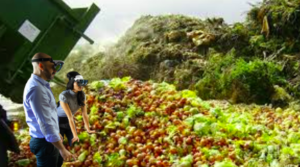
In today’s rapidly advancing technological landscape, augmented reality (AR) has emerged as a groundbreaking solution across various industries. One of the most promising applications of augmented reality is in the food industry, particularly in addressing the pervasive issue of food waste. By leveraging augmented reality technology, food companies can implement innovative strategies that significantly reduce food waste, promote sustainability, and improve overall efficiency in the food supply chain.
Understanding Augmented Reality in the Food Industry
Augmented reality (AR) involves overlaying digital information, such as images, sounds, or other data, onto the real world, enhancing the user’s perception and interaction with their environment. In the food industry, AR has a myriad of applications that can contribute to reducing food waste and improving sustainability. From supply chain management to consumer education, augmented reality offers practical and effective solutions.

Key Strategies for Food Waste Reduction Using AR
1. Enhanced Supply Chain Transparency
One of the primary areas where augmented reality applications can make a significant impact is in the food supply chain. By providing real-time data and visual insights into the status of food products, AR can help companies track and manage inventory more effectively. This transparency ensures that perishable items are used before they spoil, thus reducing food waste. For instance, Realifood AR Solutions offers an AR platform that allows companies to visualize the freshness and shelf life of their products, enabling better decision-making and reducing excess waste.
2. Optimized Inventory Management
Augmented reality technology can also aid in inventory management by integrating with existing systems to provide a more interactive and intuitive way of handling stock. Employees can use AR glasses or mobile devices to see real-time data on inventory levels, expiration dates, and storage conditions. This practical application of augmented reality helps ensure that food products are rotated appropriately and that those nearing expiration are prioritized for use or sale, effectively reducing waste.
3. Consumer Education and Engagement
Educating consumers about food waste and encouraging sustainable practices is another crucial strategy where AR can play a pivotal role. Through augmented reality applications, food companies can create interactive and engaging experiences that inform consumers about the importance of reducing food waste. For example, AR-enabled packaging can provide users with recipes and tips for using leftovers, as well as information on how to store food properly to extend its shelf life. This not only reduces food waste but also fosters a culture of sustainability among consumers.
4. Enhanced Quality Control
Quality control is essential in the food industry, and augmented reality can enhance this process by providing detailed, real-time information about food products. Using AR, quality control inspectors can visualize data such as temperature history, handling conditions, and other critical metrics that affect food quality. This immediate access to information allows for quicker identification of potential issues, preventing the distribution of spoiled or unsafe products and thereby reducing waste.
5. Innovative Marketing and Sales Strategies
Augmented reality solutions can also be leveraged to create innovative marketing and sales strategies that promote food waste reduction. For example, food companies can use AR to create virtual experiences that showcase the journey of their products from farm to table, highlighting their commitment to sustainability and responsible sourcing. Additionally, AR can be used in retail environments to help consumers make informed purchasing decisions, such as choosing products that are closer to expiration but still safe to consume, often at a discounted price.

The Future of Food Sustainability with Augmented Reality
As augmented reality technology continues to evolve, its potential applications in the food industry will expand, offering even more opportunities for innovation in food waste reduction. The integration of AR with other emerging technologies, such as artificial intelligence and blockchain, can further enhance its effectiveness and create a more sustainable food system.
Food companies that adopt augmented reality solutions stand to gain not only in terms of waste reduction and sustainability but also in consumer trust and brand loyalty. By demonstrating a commitment to innovative practices and environmental stewardship, these companies can differentiate themselves in a competitive market and contribute to a more sustainable future.
Conclusion:
Augmented reality is poised to revolutionize the food industry by providing powerful tools for reducing food waste and promoting sustainability. From improving supply chain transparency to engaging consumers in new and exciting ways, the practical applications of augmented reality are vast and varied. By embracing this technology, food companies can play a pivotal role in creating a more efficient, sustainable, and waste-free food system.