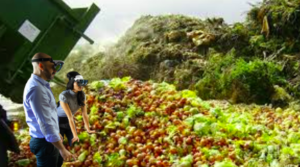

In the era of rapid technological advancements, augmented reality (AR) stands out as a transformative force across various industries. One of the most intriguing applications of this cutting-edge technology is its potential to revolutionize the food industry, particularly in the realm of food waste reduction. By leveraging augmented reality applications, we can significantly reduce food waste, enhance food sustainability, and streamline the food supply chain. This article delves into the innovative ways AR is changing how we interact with food and the profound implications for the future.
Augmented Reality: A Game-Changer in Food Waste Reduction
Food waste is a pressing global issue, with approximately one-third of all food produced for human consumption going to waste. This waste not only represents a missed opportunity to feed the hungry but also contributes to significant environmental damage. Enter augmented reality technology, which offers practical applications to address this challenge head-on. AR can provide real-time information, interactive experiences, and educational tools that help consumers and businesses make informed decisions about food consumption and waste management.

Innovative Augmented Reality Applications in the Food Industry
One of the most promising aspects of AR is its ability to enhance consumer awareness and engagement. For instance, Realifood AR Solutions has developed a platform that allows users to scan food items with their smartphones to access detailed information about the product’s origin, nutritional value, and best-before dates. This augmented reality solution helps consumers make better purchasing decisions, reducing the likelihood of food waste.
Moreover, AR applications can offer virtual cooking classes and tutorials, guiding users through recipes with step-by-step visual aids. This not only encourages the use of all ingredients purchased but also educates individuals on portion control and proper food storage techniques. By integrating AR into the kitchen, we can foster more mindful eating habits and reduce the amount of food that ends up in the trash.
Practical Applications of Augmented Reality for Food Companies
Food companies are also harnessing the power of AR to optimize their operations and reduce waste. For example, augmented reality can be used to enhance inventory management. By overlaying digital information onto physical storage spaces, employees can quickly identify stock levels, expiration dates, and optimal storage conditions. This ensures that older stock is used first, minimizing spoilage and waste.
In the realm of food production, AR can be employed to train staff on efficient practices and maintenance procedures, thereby reducing errors and waste. Augmented reality technology can simulate real-world scenarios, allowing workers to practice and perfect their skills in a risk-free environment. This leads to more efficient operations and a reduction in wasted resources.
Augmented Reality and Food Sustainability
Beyond waste reduction, AR has significant implications for food sustainability. By providing transparency and traceability in the food supply chain, augmented reality solutions can ensure that food is sourced, produced, and distributed responsibly. Consumers can use AR to verify the sustainability credentials of the food they buy, supporting brands that prioritize ethical and environmentally-friendly practices.
Additionally, AR can promote sustainable eating habits by educating consumers about the environmental impact of their food choices. For instance, an AR application might show the carbon footprint of a particular meal, encouraging users to opt for more sustainable options. This kind of real-time feedback can drive significant changes in consumer behavior, ultimately leading to a more sustainable food system.
Food Waste Reduction Strategies Enhanced by AR
Integrating augmented reality into food waste reduction strategies offers a multifaceted approach to tackling this global issue. From educating consumers to optimizing business operations, AR provides a range of tools that can make a tangible difference. For example, supermarkets can use AR to guide customers to discounted items that are nearing their expiration date, reducing the likelihood of these products going to waste.
Furthermore, AR can facilitate better planning and resource allocation within the food supply chain. By providing detailed analytics and real-time data, AR can help businesses anticipate demand more accurately, reducing the overproduction and subsequent waste of food.

Conclusion: The Future of Food with Augmented Reality
The potential of augmented reality in transforming the food industry is immense. By integrating AR into our daily lives and business practices, we can make significant strides in reducing food waste, promoting sustainability, and creating a more efficient food supply chain. As AR technology continues to evolve, its applications in the food industry will undoubtedly expand, offering innovative solutions to some of our most pressing challenges.
In embracing augmented reality, we are not just adopting a new technology; we are pioneering a smarter, more sustainable approach to how we see, interact with, and consume food. The future of food waste reduction is bright, and AR is leading the way.